
Choosing Your Remodeling Contractor: Key Questions for a Seamless Home Renovation
Selecting the wrong contractor can turn a dream renovation into a costly nightmare, leading to safety issues or unfinished work.
Introduction
Selecting the wrong contractor can turn a dream renovation into a costly nightmare, leading to safety issues or unfinished work.
Key Features
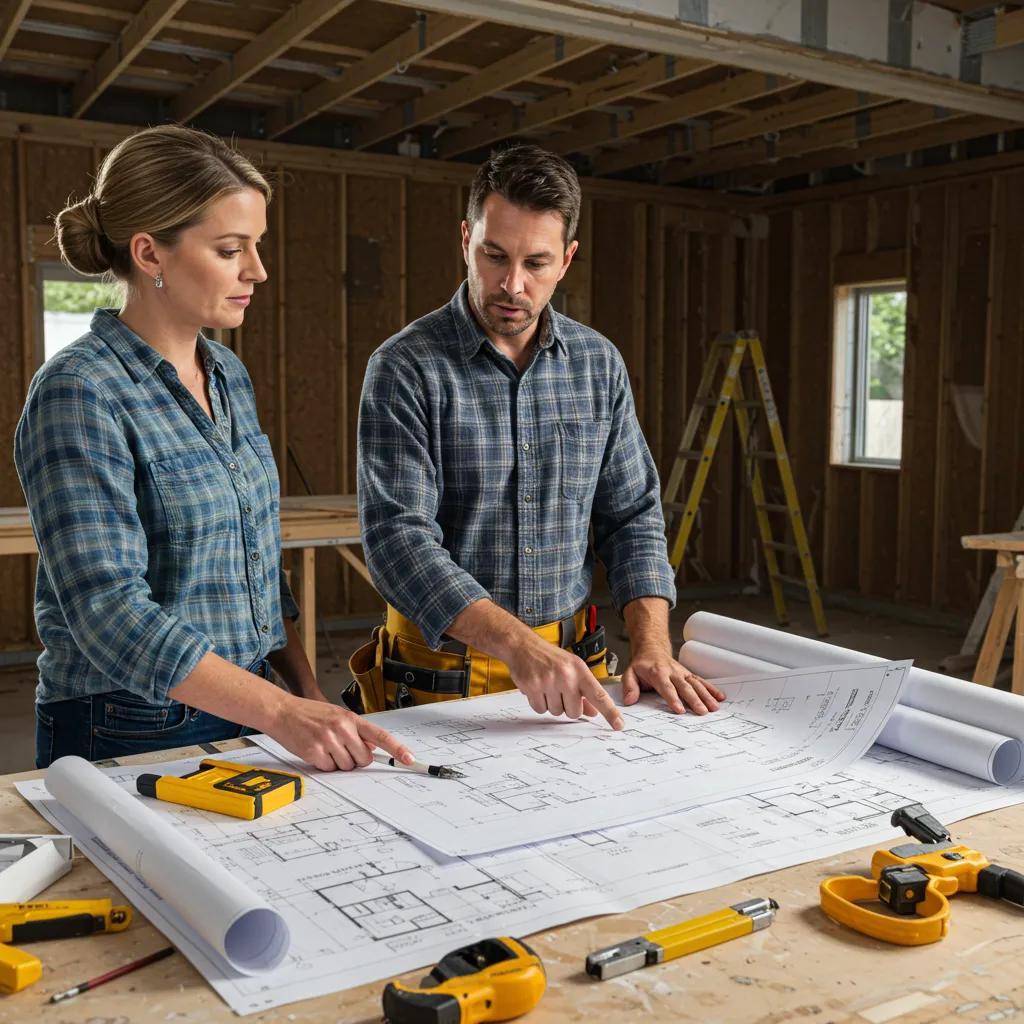
Selecting the wrong contractor can turn a dream renovation into a costly nightmare, leading to safety issues or unfinished work. By asking the right questions upfront, you can significantly reduce risks and protect your investment. This guide covers the essential questions to ask potential remodeling contractors, how to verify their credentials, what to look for in contracts, and how to assess timelines, communication, and quality. You’ll learn how to confirm a contractor’s license and insurance, evaluate their past work and client feedback, and spot potential red flags. We’ve included practical checklists and comparison tables tailored for projects in Sacramento, Santa Rosa, and San Diego. To help you make informed decisions, we also explain permit responsibilities, warranty details, and the differences between design-build and traditional contractor approaches. Ready to move forward? Vivify Custom Remodeling Inc. is your local partner, offering free, no-obligation consultations and estimates via our online form or by calling 916-237-7255. Mention these services when you request project-specific documentation. Keep reading for targeted questions and clear steps toward a smoother, more successful remodeling experience.
What Credentials Should You Verify Before Hiring a Remodeling Contractor?
Verifying a contractor’s credentials is the first step to ensuring they are legally qualified and financially sound to undertake your project. A valid contractor license confirms they operate under state regulations, bonding offers protection if they fail to complete the work, and insurance safeguards against on-site accidents and property damage. Confirming these credentials minimizes your exposure to liability and liens, so make it a key part of your contractor vetting process. Here are the primary credentials to check and how they protect you, along with steps for verification.
Are They Licensed, Bonded, and Insured in California?
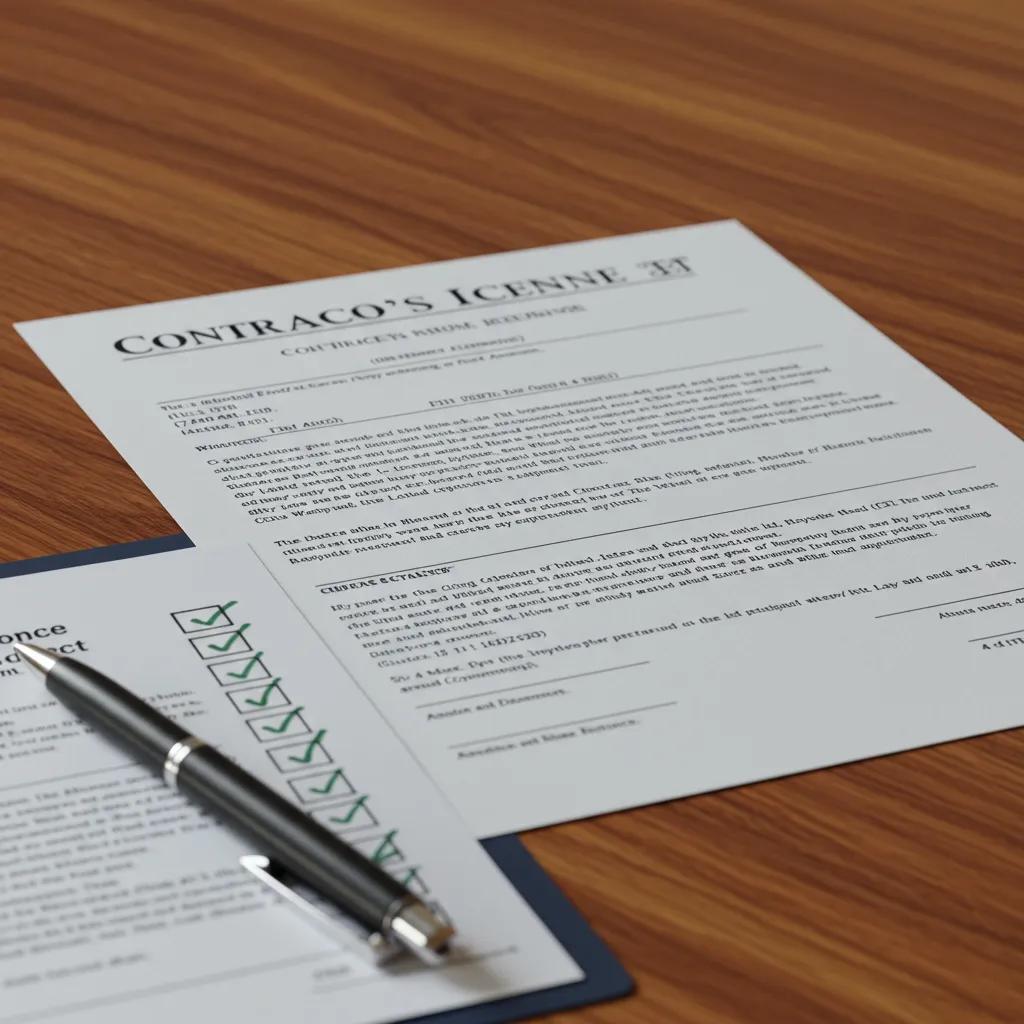
A licensed contractor has met state requirements and is authorized to perform work, meaning they are subject to state oversight and complaint procedures. Bonding provides a financial safety net if the contractor doesn't fulfill their contractual obligations or violates certain rules. General liability and workers’ compensation insurance protect you from claims related to third-party injuries or property damage and worker injuries on your site. To verify, ask for their license number and certificates of insurance, then confirm their status with the California contractor licensing lookup and the insurance provider. If a contractor cannot or will not provide these documents, consider it a warning sign and look elsewhere. Confirming credentials naturally leads to questions about their experience and project history.
Before diving into the credential comparison table, review this quick checklist of essential credentials most homeowners should confirm:
- Contractor License: Ask for the license number and verify its active status with the state.
- General Liability Insurance: Request details on coverage limits and the insurer’s certificate.
- Workers’ Compensation: Ensure coverage is in place for all workers on your project site.
These checks help prevent common credential-related risks and clarify accountability should issues arise.
Essential Checks for Hiring Home Remodeling Contractors The home-owner must be careful and diligent when hiring a contractor. They should verify licensing, insurance, and bonding credentials. The home-owner should also check references and review the contractor's portfolio.
CredentialWhat It Protects / Where IssuedHow to VerifyContractor LicenseProtects against unqualified practice; issued by state licensing boardRequest license number and confirm status with state licensing lookupBond (Performance or Payment)Protects homeowner against non-completion or unpaid subs; issued via surety companyAsk for bond type and surety details; verify with surety companyGeneral Liability InsuranceProtects homeowner for property damage and third-party claims; issued by insurerRequest certificate of insurance listing coverage limits and effective datesWorkers' CompensationProtects workers and prevents homeowner liability for jobsite injuriesRequest certificate showing coverage for workers assigned to the project
This table clarifies the purpose of each credential and how to validate it. Always obtain documentation and confirm third-party status before signing any agreements. Understanding credential verification sets the stage for a deeper look into experience and references.
How Long Have They Been in Business and What Is Their Experience?
A contractor’s longevity in business and relevant project experience signal their capability to handle complex projects and foresee potential challenges. This is crucial because intricate structural or system work demands proven expertise. Ask specific questions about the number of similar projects they’ve completed, the types of projects they’ve managed (e.g., kitchen remodels, bathroom renovations, whole-house transformations), and recent examples that showcase their problem-solving skills under pressure. When they describe past projects, inquire about timelines, permit processes, and subcontractor coordination to gauge if their experience aligns with your project’s needs. This discussion should naturally lead to requests for a portfolio and references, allowing you to confirm their claims with tangible proof and client feedback.
Can They Provide References and a Portfolio of Past Projects?
A comprehensive portfolio and verifiable references allow you to confirm the quality, consistency, and scope of work they’ve completed. A portfolio showcases their craftsmanship and the materials they use, while references provide insights into their communication style and how they handle issues. When reviewing photos, look closely at the detail of finishes, the consistency of before-and-after transformations, and evidence of a clean worksite. Ask references about timeliness, budget adherence, and how warranty issues were managed. Request contact information for recent clients and case studies that detail project scope and timelines. If possible, visit a completed job site in person to assess the durability and craftsmanship firsthand. Seeing verified projects and hearing from past clients naturally leads to a closer examination of contract terms designed to protect your investment.
Verify Contractor Credentials: License Status and References to check the contractor's license status; (2) obtain and check at least three local references from the contractors who have used their services. This will help you to determine if the contractor is reliable and trustworthy.
What Key Questions Should You Ask About the Remodeling Contract?
A well-defined contract transforms general expectations into concrete, enforceable obligations by detailing the scope, payment terms, change order procedures, and warranties. A structured contract is key to minimizing disputes and ensuring accountability. Always request a written contract that specifies materials, brands, timelines, payment schedules, and dispute resolution methods. Insist on lien releases for each paid milestone. Understanding essential contract clauses will help you negotiate crucial protections, such as limits on change-order markups, milestone-based payments, and clear warranty language. The following table compares core contract clauses, explains their importance, and provides example language you can request.
What Essential Clauses Should Be Included in a Remodeling Contract?
Essential clauses define deliverables, responsibilities, and remedies, converting project elements into measurable commitments and reducing ambiguity and legal risks. Every contract should include a detailed scope of work, start and completion dates (or a milestone schedule), payment terms with lien waiver procedures, a process for change orders, warranties for materials and workmanship, and methods for dispute resolution. Ask for summaries of these clauses and sample language that specifies brands or acceptable substitutions. Require that all change orders be documented and signed before additional work commences. Clear contract clauses protect your budget and provide a basis for ensuring quality. Use the contract clause checklist below to guide your negotiations before work begins.
Negotiating Key Clauses in Home Construction Contracts This article reviews the important provisions that can and should be negotiated in a home construction contract. It is important to understand these provisions to avoid costly disputes and ensure that the contract is fair to both parties.
ClauseWhat It CoversExample Language / Why It MattersScope of WorkTasks, materials, and deliverables"Contractor will supply and install specified cabinetry model X; substitutions require written homeowner approval."Payment ScheduleMilestones, amounts, lien waivers"Payments tied to completion of demo, rough-ins, and final acceptance; each payment accompanied by conditional lien waiver."Change OrdersProcess for additions and cost adjustments"Change orders require written approval and signed cost/time adjustments before execution."WarrantiesWorkmanship and material expectations"Contractor provides 1-year workmanship warranty; manufacturer warranties pass through to homeowner."
This comparison helps homeowners identify potential gaps in protection and request specific contract language. Once the clauses are clear, shift your focus to payment sequencing and safeguards for change orders.
How Is the Payment Schedule Structured and What Are Change Order Policies?

Payment schedules balance the risks between homeowner and contractor by linking payments to completed, verifiable milestones. A well-structured schedule prevents large upfront deposits before work even begins. A typical safe payment structure limits initial deposits, ties payments to specific milestones (e.g., demolition complete, rough inspection passed, final acceptance), and requires conditional lien waivers with each payment. Change order policies should mandate written approvals, itemized cost and time impacts, and capped markups to prevent budget overruns. Ensure all change orders are added to the contract and signed by both parties to avoid disputes, and understand your legal recourse in case of noncompliance.
What Warranty Do They Offer on Workmanship and Materials?
Warranties define responsibility for defects after project completion, distinguishing between the contractor’s workmanship warranty and the manufacturer’s warranties for materials and appliances. A contractor’s workmanship warranty typically covers installation errors for a set period and obligates them to repair any defects. Manufacturer warranties cover material failures and vary by product. Both should be clearly documented in writing. Compare warranty durations and the process for making claims. Request written warranty terms in your contract and ask how claims are handled and tracked. Documenting warranty responsibilities reduces potential friction if issues arise post-completion and clarifies whether the contractor will manage manufacturer claims on your behalf.
How Do Remodeling Contractors Manage Project Timelines and Communication?
Effective project timelines and clear communication protocols are essential for a smooth remodeling process and prompt issue resolution. Predictable timelines reduce stress and financial exposure. Contractors manage timelines by breaking projects into phases, coordinating subcontractors, and securing permits in advance. Communication plans establish expectations for updates and how issues will be escalated. Ask for a detailed, phase-by-phase timeline and identify a single point of contact for daily coordination. Below is a practical breakdown of typical project phases contractors use for planning, followed by an example of communication practices you should expect.
What Is the Typical Project Timeline and How Is It Communicated?
A typical remodel timeline is divided into phases: design & permitting, demolition & rough construction, and finishing & inspections. Each phase has defined deliverables and an estimated duration, which helps set homeowner expectations. For instance, design and permitting can take several weeks, depending on the project's complexity and the local permit office's processing times. Demolition and rough-in work often span several weeks on-site, while finishing and final inspections can add more weeks, depending on scheduling. Contractors communicate timelines through written schedules, milestone updates, and change-order notifications. Homeowners should request weekly or milestone-based schedule updates and documented reasons for any delays. To illustrate realistic scheduling, Vivify Custom Remodeling Inc.’s comprehensive remodeling service, which includes design consultations and project execution, provides project timelines during free, no-obligation consultations, offering homeowners a tailored schedule before they commit. The phase breakdown below clarifies what to expect at each stage.
PhaseTypical DurationDeliverables / Owner ExpectationsDesign & Permitting2–6 weeks (varies by scope)Final plans, permit applications, approvals from permit authorityDemolition & Rough Construction2–8 weeksStructural work, rough plumbing/electrical, framing and inspectionsFinish & Inspections1–4 weeksTrim, cabinetry, finishes, final inspections, punch list completion
This phased timeline table helps homeowners anticipate schedule drivers and provides a basis for holding contractors accountable for delivering on milestones.
How Often Will You Receive Updates and Who Is Your Main Point of Contact?
Clear communication relies on a designated primary contact who consolidates updates and coordinates subcontractors, minimizing confusion when multiple trades are involved. Expect regular updates, such as weekly summaries, milestone notifications (start/completion), and immediate alerts for critical changes. Document the agreed-upon communication cadence in your contract or project plan. Ask who will be on-site daily, who makes purchasing decisions, and who the escalation contact is for urgent matters. Insist that key decisions are confirmed in writing. Establishing these expectations upfront creates a predictable flow of information and prevents misunderstandings that can cause delays.
Who Will Be Working on Your Project, Including Subcontractors?
Knowing which subcontractors will handle specific parts of the work clarifies responsibilities and helps you verify that each trade possesses the appropriate licenses and insurance. Ask the contractor for a list of expected subcontractor types (e.g., plumber, electrician, tile setter) and request copies of their insurance certificates and license numbers as part of your vetting process. Require that the primary contractor remains responsible for coordinating subs and overseeing the site. Clarify who will complete final punch-list items and handle warranty work. Documenting subcontractor responsibilities reduces the risk of accountability gaps and ensures consistent quality across all trades.
How Can You Evaluate a Contractor’s Quality and Reliability?
Evaluating a contractor’s quality and reliability involves reviewing their portfolio, checking references, and analyzing client reviews to identify consistent craftsmanship and responsiveness. Quality assessment focuses on observable details like finish precision, adherence to plans, site cleanliness, and evidence of durable installations. Reliability is demonstrated through meeting timelines, transparent pricing, and prompt warranty service. Use structured reference questions, inspect completed projects in person when possible, and look for consistent positive feedback that indicates a contractor reliably delivers excellent results. The guidance below explains what to look for in portfolios and how to verify references effectively.
What Should You Look for in Contractor Portfolios and Client Reviews?
A strong portfolio showcases consistent attention to detail, high-quality finishes, and relevant project examples—all indicators of dependable workmanship. When reviewing photos, examine grout lines, cabinet alignment, paint edges, and material transitions as signs of skilled trade execution. Check for consistency in before-and-after photos to gauge the scope of transformation. Client reviews and testimonials should reveal patterns: repeated praise for communication and schedule adherence is more valuable than a single outstanding review. Evaluating portfolio evidence naturally leads to contacting references to confirm their claimed outcomes.
How Do You Verify References and Past Client Satisfaction?
Verifying references is a structured process: obtain recent client contacts, prepare a consistent set of questions, and score responses against key metrics like on-time completion, budget adherence, finish quality, and responsiveness to issues. Sample questions include: "Did the project finish on schedule?", "Were change orders clearly explained and documented?", and "How were warranty or punch-list items addressed?" Record the answers and note any responses that suggest unresolved disputes, recurring quality problems, or poor communication. A scored reference process helps quantify a contractor’s fit for your project and distinguishes anecdotal praise from reliable performance indicators.
What Are Common Red Flags to Watch Out for When Hiring a Contractor?
Red flags signal increased risk and warrant caution. These include a refusal to provide a written contract, requests for unusually large upfront payments, reluctance to share license or insurance details, a pattern of negative reviews mentioning missed deadlines, or an unwillingness to provide references. Other warning signs include poor site cleanup, excessive subcontractor turnover, and evasive answers about warranty responsibilities—behaviors that often predict future performance issues. If you encounter red flags, pause the hiring process, request the necessary documentation, and explore other options. Protecting yourself early on prevents costly disputes later. The next section covers legal and permit considerations crucial for avoiding unpermitted or non-compliant work.
What Legal and Permit Considerations Should You Confirm?
Permits and code compliance ensure your project meets safety standards and undergoes necessary inspections, protecting you from legal issues and resale complications. Confirm who is responsible for obtaining permits, ask for permit numbers, and verify that inspections are conducted at key stages. Unpermitted work can lead to fines, mandatory rework, or difficulties selling your property. Contractors must also adhere to local building codes and inspection requirements. Requesting proof of permit pulls and inspection approvals should be part of your vetting process. Below are specific permit responsibilities and verification steps homeowners should follow.
Will the Contractor Obtain All Necessary Permits for Your Project?
Typically, contractors are responsible for pulling permits unless otherwise agreed upon. This is important because permits allow for official inspections that confirm code compliance. Confirm this responsibility in writing. Ask the contractor to provide copies of permit applications and permit numbers before work begins, and follow up with the local permit authority to confirm their status. Keep copies of inspection sign-offs and final occupancy or completion certificates as part of your project records. Ensuring permits are properly obtained reduces future liability and protects your investment in structural or system upgrades.
How Do They Ensure Compliance with Local Building Codes and Regulations?
Contractors ensure compliance by following approved plans, scheduling required inspections, and coordinating with permit authorities. Third-party inspections can offer additional assurance for complex projects. Ask for copies of inspection reports at key milestones and request written confirmation that installed systems meet local codes. If you have doubts, ask the contractor to arrange for an independent inspection. Clarifying code-compliance responsibilities upfront protects you from fines and rework, placing clear accountability for meeting legal standards on the contractor.
Why Is Transparent Communication Critical When Choosing a Remodeling Contractor?
Transparent communication prevents misunderstandings that lead to delays, budget overruns, and disputes by aligning expectations and documenting decisions throughout the project. Contractors who employ structured communication—a single point of contact, written change orders, and regular updates—reduce friction and provide a traceable record of decisions if conflicts arise. Establishing a written communication plan clarifies who handles approvals, who signs change orders, and how urgent issues are escalated. The following subsections outline expected response protocols and common tools that support open communication.
How Do Contractors Handle Client Questions and Concerns During the Project?
Professional contractors establish response timelines and escalation paths. They designate a project manager as the main contact, respond to routine questions within an agreed timeframe, and escalate critical concerns to leadership when necessary. Expect documented responses for design clarifications, pricing adjustments, and schedule impacts. Require that agreed-upon resolutions are recorded in change orders or email confirmations. Reasonable response times include acknowledgment within 24–48 hours for non-urgent matters and faster responses for on-site safety or scheduling issues. Clear response protocols minimize downtime and ensure questions don’t derail the project schedule.
What Communication Tools and Plans Are Typically Used?
Contractors commonly use a combination of email, project management software, and weekly on-site meetings to maintain transparency and archive decisions, creating a documented history of approvals and change orders. A basic communication plan includes weekly status reports, milestone alerts, a log of change orders, and a single point of contact for daily coordination. Formalize this plan in writing to reduce ambiguity. Tools such as shared checklists and photo logs help track progress and provide evidence for warranty claims or dispute resolution. Consistent documentation practices directly improve accountability and outcomes in case of disputes.
How Do Design-Build Contractors Differ from Traditional Remodeling Contractors?
The design-build model integrates design and construction under a single contract, offering single-source responsibility that can streamline decision-making and accelerate timelines. In contrast, traditional contractor models separate design and construction through distinct contracts. Design-build minimizes friction by aligning design choices with budgeting and constructability from the start, often leading to fewer change orders and more predictable costs. Traditional approaches may offer competitive bidding but require more homeowner coordination between the designer and contractor. The choice between these models depends on your priorities for speed, budget certainty, and single-point accountability. The following subsections highlight the benefits and process differences to help you decide.
What Are the Benefits of Choosing a Design-Build Remodeling Contractor?
Design-build offers single-source accountability, where one entity manages both design consultations and project execution. This simplifies communication and often reduces schedule overlaps and change orders. Key benefits include faster decision-making, clearer cost control early in the process, and a single contract that assigns responsibility for both design and construction outcomes. For homeowners seeking a more streamlined project, a design-build arrangement can significantly reduce the administrative burden of coordinating separate professionals. Vivify Custom Remodeling Inc. provides comprehensive remodeling services, including design consultations and project execution, and can discuss the advantages of design-build during a free, no-obligation consultation to help you evaluate options for your specific project.
How Does the Process Differ Compared to Traditional Contractor Models?
In traditional models, the process separates design from construction: homeowners finalize design documents, solicit bids, and then manage a construction contract. This can lead to misalignment between design intent and construction feasibility. Design-build, however, begins with integrated planning where cost, schedule, and constructability are considered simultaneously, resulting in a coordinated workflow that often shortens timelines and minimizes surprises. Your decision checklist should weigh factors like your desired level of design control, your comfort with competitive bidding, and your preference for single-point accountability. Selecting the right model depends on how much coordination you prefer to manage versus delegate. Understanding these differences helps homeowners choose the engagement model that best suits their risk tolerance and project goals.
How Does the Process Differ Compared to Traditional Contractor Models?
Integrated teams in design-build firms handle permitting, subcontractor coordination, and punch-list resolution under one contract, which can streamline approvals and post-completion warranty management. Traditional approaches may offer more opportunities to compare bids but require greater homeowner oversight to reconcile design intent with construction execution. Evaluate whether you prioritize competitive bids or simplified accountability when choosing between models, and request written descriptions of how each approach will manage permits, subcontractors, and warranty claims. Clear comparisons enable homeowners to select the procurement route that best supports on-time, on-budget project completion.
Vivify Custom Remodeling Inc. is a local remodeling resource serving Sacramento, Santa Rosa, and San Diego, known for expert craftsmanship, personalized design, and transparent communication. Homeowners can request free estimates and consultations through our online forms or by calling 916-237-7255. Schedule a free, no-obligation consultation to discuss your project’s fit and review documented timelines. This resource can help you translate the questions in this guide into project-specific documentation and provide a clear path toward hiring a qualified, licensed, and insured contractor.
Frequently Asked Questions
What should I do if a contractor refuses to provide their credentials?
If a contractor is unwilling to provide their credentials, such as their license, insurance, or bonding information, this is a significant red flag. It indicates a lack of transparency and accountability, which can lead to potential legal and financial risks for you as a homeowner. Always prioritize contractors who are open about their qualifications and willing to provide documentation. If a contractor hesitates or makes excuses, it’s advisable to consider other candidates who can demonstrate their legitimacy and professionalism.
How can I ensure that my remodeling project stays within budget?
To keep your remodeling project within budget, start by establishing a clear and detailed contract that outlines all costs, including materials, labor, and potential change orders. Discuss your budget openly with the contractor and ask for a breakdown of expenses. Additionally, set aside a contingency fund of 10-20% for unexpected costs. Regularly communicate with your contractor about any changes or additional work needed, and ensure that all changes are documented and agreed upon in writing to avoid surprises.
What steps should I take if I encounter issues during the remodeling process?
If you face issues during the remodeling process, such as delays or quality concerns, the first step is to communicate directly with your contractor. Document your concerns and request a meeting to discuss them. If the issues persist, refer to your contract for dispute resolution procedures. You may also consider involving a third-party mediator or inspector if necessary. Keeping a record of all communications and agreements will help protect your interests and provide clarity in resolving disputes.
How can I verify the quality of materials used by the contractor?
To verify the quality of materials used by your contractor, request a detailed list of all materials, including brands and specifications, before work begins. You can also ask to see samples or visit previous projects to assess the quality firsthand. Additionally, inquire about warranties for materials and installation. If possible, consult with a knowledgeable friend or a professional in the industry to evaluate the proposed materials and ensure they meet your expectations for durability and performance.
What should I do if I am unhappy with the contractor's work?
If you are dissatisfied with the contractor's work, address your concerns immediately. Schedule a meeting to discuss specific issues and provide clear examples of what is unsatisfactory. Refer to your contract to understand the agreed-upon standards and expectations. If the contractor is unresponsive or unwilling to rectify the situation, you may need to escalate the issue by documenting your concerns and considering legal options, such as filing a complaint with the state licensing board or seeking mediation.
Are there specific permits required for different types of remodeling projects?
Yes, different types of remodeling projects may require specific permits, depending on the scope of work and local regulations. Common projects that typically require permits include structural changes, electrical work, plumbing modifications, and significant renovations. It’s essential to check with your local building department to understand the specific permits needed for your project. A reputable contractor should be familiar with these requirements and can assist you in obtaining the necessary permits to ensure compliance with local codes.
How can I assess the contractor's communication skills before hiring?
To evaluate a contractor's communication skills, pay attention to their responsiveness during the initial inquiry process. Are they prompt in answering your questions? Do they provide clear and detailed information? During interviews, ask about their communication practices, such as how often they provide updates and who will be your main point of contact. Additionally, seek feedback from past clients regarding their experiences with the contractor's communication style. Effective communication is crucial for a successful remodeling project, so ensure you feel comfortable with their approach.
Start you project

Explore Vivify Design Collections
Discover thoughtfully curated kitchen, bathroom, and interior remodeling styles tailored to modern California living. Browse premium finishes, cabinetry options, color palettes, and custom design inspirations created to bring your vision to life.

Start Planning Your Kitchen or Bathroom Remodel
Ready to start your kitchen or bathroom remodel? Schedule a free consultation with Vivify to discuss your goals, compare design options, and receive clear next steps for your project.


.png)

.png)